7 Winter Car Prep Tips for California Drivers
Winter car prep in California is less about snow and more about rain, cooler mornings, wet roads, reduced visibility, and occasional mountain travel. A practical checklist includes inspecting tires, brakes, battery, fluids, wipers, lights, and emergency supplies so your vehicle stays reliable through the season.
Why does winter car prep matter in California?
California winters can be mild, but seasonal driving still creates real challenges. In Lafayette and the surrounding Bay Area, the first heavy rains can make roads slick by lifting oil and dust from the pavement. Colder mornings can also expose a weak battery, low tire pressure, or worn windshield wipers.
Drivers may also take weekend trips to Tahoe, the Sierra, or other higher elevations where snow and ice are possible. Even if your daily route never sees snow, your vehicle should be ready for:
- Heavy rain and standing water
- Fog, glare, and shorter daylight hours
- Cooler temperatures that affect tire pressure and battery performance
- Mud, leaves, and debris on local roads
- Longer drives during holiday travel
For broader maintenance needs, review the available services before scheduling seasonal work.

1. Are your tires ready for wet California roads?
Tires are your vehicle’s primary contact with the road, making them one of the most important parts of winter car prep. Rain reduces traction, and worn tread can make hydroplaning more likely.
Check each tire for:
- Tread depth that is not close to the wear indicators
- Uneven wear on the inside, outside, or center of the tread
- Cracks, bulges, punctures, or sidewall damage
- Correct inflation based on the vehicle manufacturer’s recommendation
- A properly inflated spare tire, if your vehicle has one
Tire pressure often drops as temperatures fall. Check it when the tires are cold, ideally before driving. Do not use the maximum pressure printed on the tire sidewall as a substitute for the vehicle’s recommended setting.
If you plan to drive into snowy areas, confirm whether your tires are appropriate for the route and conditions. California may require chains or traction devices in mountain regions, so check road conditions before leaving.
2. What fluids should you check before winter?
Fluids help protect the engine, improve visibility, and prevent avoidable breakdowns. A seasonal inspection should include:
- Engine oil: Verify the level and follow the manufacturer’s replacement interval.
- Coolant: Check the level and inspect for leaks, discoloration, or an unusual smell.
- Windshield washer fluid: Use a quality fluid rated for cooler temperatures, especially before mountain travel.
- Brake fluid: A low level may indicate worn brake components or a leak.
- Transmission fluid: Follow your vehicle’s service requirements rather than relying on a generic interval.
Never open a hot cooling system. If the coolant level repeatedly drops, have the system inspected instead of simply adding more fluid.
3. How can you test your battery and charging system?
A battery can appear fine until a cool morning exposes its weakness. If your engine cranks slowly, the headlights dim when idling, or the battery is several years old, testing is worthwhile.
A professional battery and charging-system test can identify:
- Low reserve capacity
- Weak cold-cranking performance
- Alternator output problems
- Corroded or loose terminals
- A charging warning that may become a roadside failure
Clean terminals do not guarantee a healthy battery. Ask for a test of the battery, alternator, and starting system together so the source of a problem is easier to identify.
Visibility and control checks
4. Are your wipers, defroster, and lights working?
Winter driving depends on seeing clearly and being seen. Replace wiper blades when they leave streaks, skip across the glass, squeak repeatedly, or fail to clear water. Inspect the windshield for chips that could spread during temperature changes.
Test the following before the rainy season is fully underway:
- Low beams and high beams
- Brake lights and turn signals
- Hazard lights
- Reverse lights
- License plate lights
- Windshield washer spray
- Front and rear defrosters
Keep the inside of the windshield clean. A film on the glass can create severe glare from headlights and streetlights during rain. If your vehicle fogs up, use the defroster and fresh-air setting rather than driving with limited visibility.

5. What brake and suspension symptoms should you not ignore?
Wet roads make smooth braking especially important. Have the vehicle checked if you notice squealing, grinding, pulsation through the brake pedal, pulling to one side, or a soft pedal.
Suspension and steering symptoms also deserve attention. Clunks over bumps, excessive bouncing, vibration, or uneven tire wear can affect control when roads are wet. Worn shocks, struts, bushings, or alignment components may reduce stability even when the vehicle seems acceptable on dry pavement.
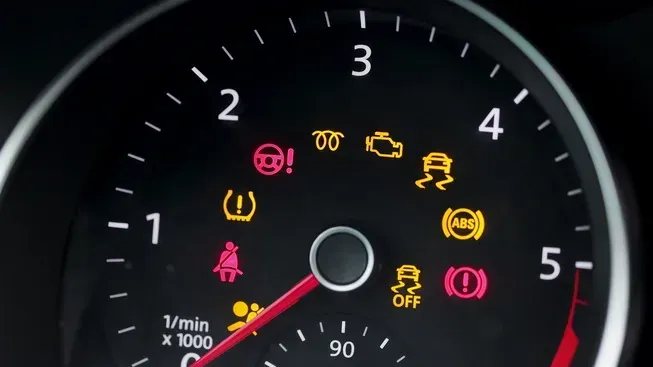
Schedule an inspection through Contact if a warning light appears or a new handling symptom develops. Delaying a small repair can increase tire wear and make a later repair more expensive.
6. How should you prepare for heavy rain and flooding?
No vehicle should be driven through water when you cannot judge its depth. Even shallow-looking water can hide potholes, damage the engine, or move a vehicle off course.
Before driving in a storm:
- Check weather and traffic conditions.
- Leave extra following distance.
- Slow down before standing water, not while entering it.
- Avoid cruise control on wet roads.
- Use headlights when visibility is reduced.
- Never cross a flooded roadway if barricades or officials say not to.
If the steering suddenly feels light, ease off the accelerator and keep the wheel pointed straight. Avoid hard braking or abrupt steering until the tires regain contact with the road.
7. What should you keep in the car for winter travel?
A California emergency kit does not need to be bulky, but it should match your route. Consider carrying:
- Phone charger or power bank
- Flashlight and fresh batteries
- Reflective vest or warning triangles
- First-aid kit
- Water and shelf-stable snacks
- Blanket or warm layer
- Gloves and basic tools
- Tire inflator or pressure gauge
- Paperwork for roadside assistance
If you are traveling toward snow country, add traction devices that fit your tires, warm clothing, water, and extra food. Practice installing chains or cables before the trip; discovering they do not fit during a storm is too late.
A simple inspection schedule
You can divide winter car prep into three convenient checks:
- At home: Check tire pressure, lights, wipers, fluid levels, and visible leaks.
- At a repair shop: Request battery, brake, tire, fluid, and charging-system inspections.
- Before a long trip: Review weather, road closures, tire requirements, emergency supplies, and fuel range.
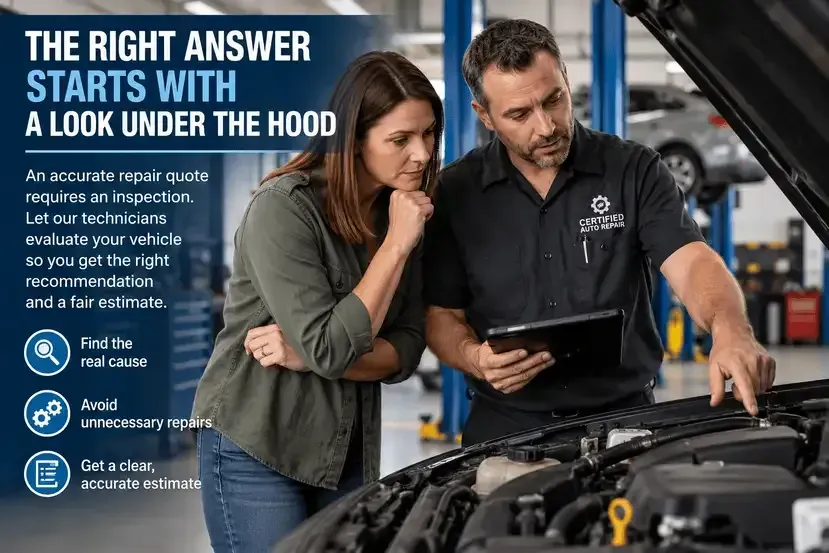
A digital inspection can make the process easier to understand. Ask whether your shop offers digital inspections with photos or notes so you can see which repairs are urgent and which can be planned.
Frequently asked questions
Do California cars need winter tires?
Most Bay Area drivers do not need dedicated winter tires for normal local driving. Good all-season tires with adequate tread are usually appropriate for rain. Winter or snow-rated tires may be necessary for frequent mountain travel, depending on conditions and vehicle requirements.
Is antifreeze necessary in California?
Yes. Coolant protects against overheating and helps regulate engine temperature year-round. It is not only for snowy climates. Check the level, condition, and mixture according to the vehicle manufacturer’s recommendations.
How often should I check tire pressure in winter?
Check tire pressure at least monthly and before long trips. Also check after a major temperature change or whenever the vehicle feels different. Always measure tires when they are cold.
What is the most important winter check?
For most California drivers, start with tires, wipers, lights, brakes, and battery condition. These systems directly affect traction, visibility, stopping, and reliability in rain and cooler weather.
Your California winter car prep checklist
Winter car prep in California is a rain-and-reliability routine, not simply a snow checklist. Start by checking tire condition and pressure, then inspect the battery, fluids, brakes, wipers, lights, and defroster. Add an emergency kit before longer trips, especially when traveling toward the mountains. If you notice warning lights, poor braking, weak starting, or handling changes, arrange an inspection before the next storm. Use this checklist to identify simple tasks at home and determine which items should be evaluated by a qualified auto repair professional in Lafayette.
Recent Posts